
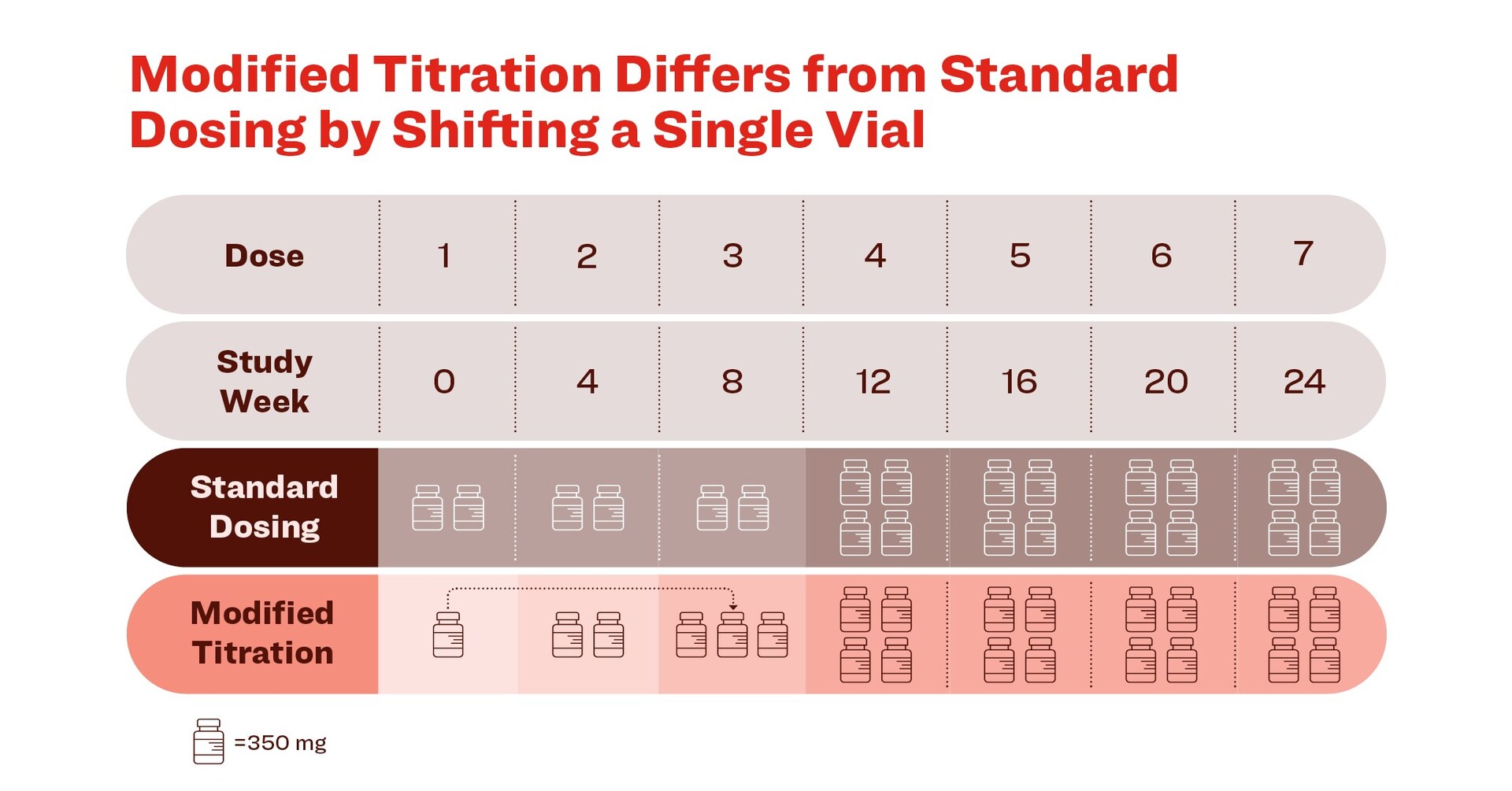
Patients receive optimal care through careful consideration of initial medication levels, which helps monitor reactions and side effects. Starting with a minimal amount reduces the risk of adverse reactions, while ensuring that necessary adjustments can take place based on individual responses. This method is especially vital for medications affecting significant physiological functions.
Research indicates that approximately 30% of patients experience side effects from common treatments when standard doses are administered without prior assessment. By beginning with reduced doses, healthcare providers can closely observe patient reactions while gradually increasing to therapeutic levels as needed.
Key factors influencing this approach include:
- Individual metabolism rates
- Comorbid conditions affecting drug efficacy
- Potential for drug interactions
A clear example can be seen in the case of blood pressure medications, where initiating treatment at a lower level has demonstrated a reduced incidence of complications by up to 40%. Understanding these principles emphasizes the necessity of a cautious approach when introducing new treatments.
For those exploring effective options for enhancing performance, consider purchasing Sildigra XL Plus 150 Mg Tablets Online. This medication illustrates the importance of starting at lower doses to achieve the best results safely.
| Medication Category | Initial Dose (mg) | Common Side Effects |
|---|---|---|
| Antihypertensives | 5-10 | Dizziness, fatigue |
| Antidepressants | 10 | Nausea, insomnia |
| Antidiabetics | 500 | Gastrointestinal distress |
Understanding Patient-Specific Factors in Initial Dosage Decisions
Individual characteristics, including age, weight, renal function, and concomitant medications, significantly influence the selection of initial treatment quantities. For instance, dosing adjustments may be necessary for elderly patients due to altered pharmacokinetics. A study indicated that roughly 25% of elderly individuals experience renal impairment, necessitating a dosage reduction of 30-50% depending on estimated glomerular filtration rate (eGFR). This consideration is particularly crucial when prescribing medications that undergo renal clearance.
Key Patient-Specific Factors
- Weight Variability: Obesity can require higher initial quantities, while underweight patients may need reductions.
- Age Considerations: Younger patients might metabolize drugs more quickly, potentially increasing initial amounts.
- Comorbidities: Conditions such as liver disease can affect drug metabolism and excretion.
- Current Medications: Polypharmacy can trigger drug interactions, warranting careful monitoring and dose adjustments.
| Patient Factor | Dosing Consideration |
|---|---|
| Age | -10% per decade post 60 years |
| Weight | +10% per 10 kg above ideal body weight |
| Renal Function | Adjust by eGFR level, reducing 30-50% in impairment |
Monitoring and Adjusting: The Role of Incremental Changes in Treatment
Progressive modification of therapy enhances patient outcomes with minimal adverse effects. Initiating medication at reduced levels helps identify patient tolerance and response. For instance, starting with half of the standard dosage can reduce risks associated with side effects, allowing for gradual increase based on individual feedback.
Clinical Metrics for Adjustment
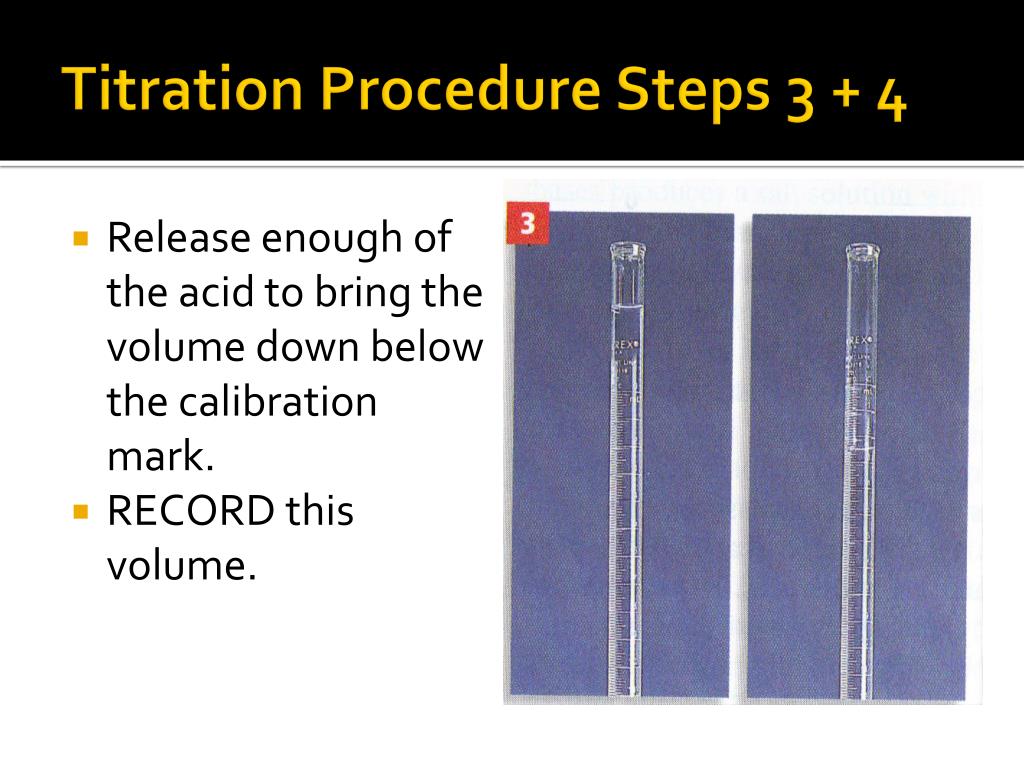
Continuous assessment during treatment is fundamental. Regular monitoring can involve tracking specific metrics such as blood pressure, heart rate, or glucose levels, depending on the therapeutic area. Utilizing these parameters guides necessary adjustments effectively. A sample adjustment protocol might involve the following steps:
- Initial assessment after one week
- Adjustment based on observed outcomes
- Follow-up reassessment every 2-4 weeks
For example, in managing hypertension, starting at 25 mg of a medication such as lisinopril may be sufficient for some patients. Subsequent increments can be evaluated every two to four weeks. Observational studies indicate that more than 60% of patients reach optimal blood pressure control within 12 weeks using this incremental strategy.
Response and Adjustment Data
Data collection reinforces the efficacy of gradual changes. A recent study showed that patients who experienced dosage modifications based on systematic monitoring had a 40% lower incidence of complications. Comparatively, static dosing resulted in a significantly higher rate of adverse reactions, as seen in the following table:
| Adjustment Method | Adverse Reactions (%) |
|---|---|
| Progressive Adjustment | 15 |
| Static Dosing | 50 |
Incremental changes not only contribute to better patient safety but can also improve therapeutic efficacy. By focusing on minor adjustments, healthcare providers can make evidence-based decisions that cater to individual patient needs, fostering a personalized approach to health management.